







5 min read Why Businesses Are Switching to Freelancers in 2026
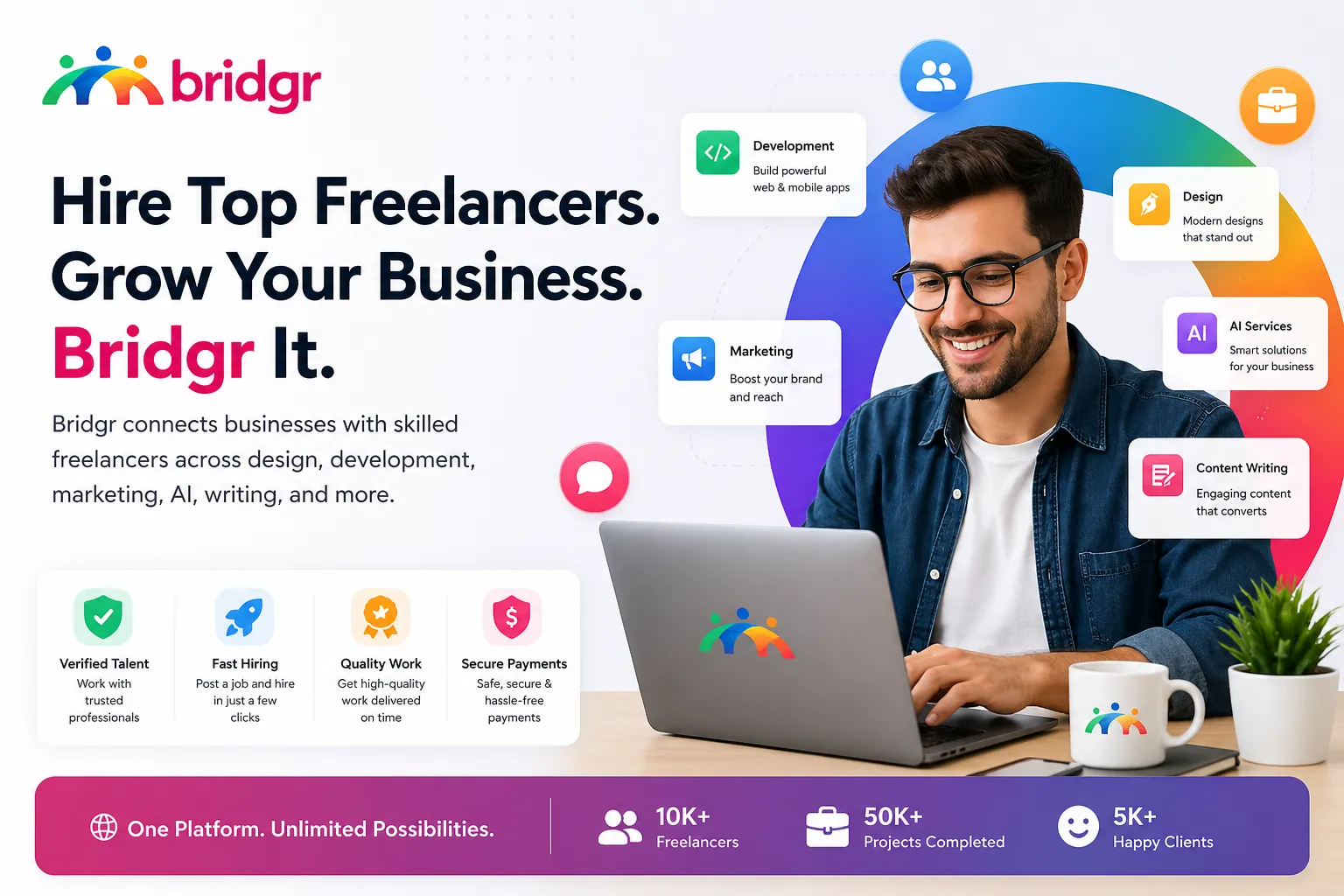
Discover why businesses are switching to freelancers in 2026. Learn the benefits, trends, and how to hire smarter for faster growth.
Introduction
The way businesses hire talent is changing rapidly. In 2026, more companies than ever are moving away from traditional hiring and embracing a flexible, global workforce. If you’ve been wondering why businesses are switching to freelancers, the answer lies in speed, cost, and access to better talent.
From startups to large enterprises, organizations are realizing that freelancers aren’t just a temporary solution—they’re a smarter, more scalable way to grow. In this article, we’ll explore what’s driving this shift, the benefits of hiring freelancers, and how your business can take advantage of this trend.
The Shift in How Businesses Hire Talent
A decade ago, hiring meant long recruitment cycles, office space, and fixed salaries. Today, businesses operate in a fast-paced, digital-first environment where agility is everything.
Freelancing has evolved into a professional ecosystem where companies can:
- Hire on demand
- Access global expertise
- Scale teams instantly
This shift isn’t just a trend—it’s becoming the new standard.
Why Businesses Are Switching to Freelancers
1. Cost Efficiency Without Compromise
One of the biggest reasons businesses are switching to freelancers is cost savings.
Hiring full-time employees comes with:
- Salaries
- Benefits
- Infrastructure costs
Freelancers eliminate these overheads. Businesses can:
- Pay per project
- Avoid long-term commitments
- Allocate budget more efficiently
This is especially valuable for startups and small businesses working with limited resources.
2. Access to Global Talent
Freelancing removes geographical barriers.
Instead of hiring locally, businesses can:
- Work with top talent worldwide
- Find niche specialists
- Get better quality at competitive rates
Whether you need a UI designer, AI expert, or content strategist, freelancers make it possible to find the right person—no matter where they are.
3. Faster Hiring and Execution
Traditional hiring can take weeks or even months.
Freelancers offer:
- Quick onboarding
- Immediate availability
- Faster project turnaround
This speed is crucial in competitive markets where delays can cost opportunities.
4. Scalability and Flexibility
Business needs change constantly.
Freelancers allow companies to:
- Scale teams up during busy periods
- Reduce costs during slow phases
- Adapt quickly to new projects
This flexibility gives businesses a major competitive advantage.
5. Specialized Skills On Demand
Modern projects often require niche expertise.
Instead of hiring a full-time specialist, businesses can:
- Bring in experts for specific tasks
- Access cutting-edge skills (AI, automation, blockchain, etc.)
- Stay ahead of industry trends
This ensures high-quality results without long-term commitments.
Real-World Example
Imagine a startup launching a new product.
They need:
- Branding
- Website development
- Marketing strategy
Instead of hiring a full in-house team, they:
- Hire a freelance designer
- Work with a developer
- Collaborate with a marketing expert
Within weeks, they launch their product—faster and at a fraction of the cost.
This is exactly why businesses are switching to freelancers.
Freelancers vs Traditional Hiring
FactorFreelancersFull-Time EmployeesCostPay per projectFixed salary + benefitsFlexibilityHighLowHiring SpeedFastSlowScalabilityEasyDifficultGlobal AccessYesLimited
Freelancers clearly offer a more agile and efficient approach.
How Businesses Can Successfully Hire Freelancers
Switching to freelancers is powerful—but only if done right.
1. Define Clear Requirements
Be specific about:
- Scope
- Deliverables
- Deadlines
Clarity leads to better results.
2. Choose the Right Platform
The platform you use plays a huge role in your hiring experience.
Modern platforms like Bridgr simplify the process by offering:
- Multiple service categories
- Easy navigation
- Faster hiring
This allows businesses to find and hire talent without unnecessary complexity.
3. Evaluate Before Hiring
Always check:
- Portfolio
- Reviews
- Communication skills
Don’t rush the process—quality matters.
4. Start Small
Test freelancers with a small project before committing to larger work.
This reduces risk and builds trust.
5. Build Long-Term Relationships
Great freelancers can become long-term partners.
Businesses that build strong freelance networks:
- Work faster
- Maintain consistency
- Save time in future hiring
Common Mistakes Businesses Should Avoid
1. Choosing the Cheapest Option
Low cost often leads to poor results.
2. Lack of Communication
Unclear instructions create confusion and delays.
3. Ignoring Quality Checks
Always review past work before hiring.
4. Not Using the Right Platform
A poor platform leads to a poor hiring experience.
Why Platforms Like Bridgr Are Gaining Popularity
As freelancing grows, businesses need platforms that are:
- Simple
- Affordable
- Efficient
That’s where Bridgr comes in.
What makes Bridgr different:
- Clean and modern interface
- Wide range of services
- Startup-friendly pricing
- Faster hiring experience
Instead of juggling multiple platforms, businesses can manage everything in one place—saving time and effort.
The Future of Freelancing
The freelance economy is only getting bigger.
In the coming years, we’ll see:
- More remote work adoption
- Increased demand for specialized skills
- Greater reliance on freelance talent
Businesses that adapt early will have a clear advantage.
Conclusion
The shift toward freelancing is not temporary—it’s the future of work.
Understanding why businesses are switching to freelancers helps you stay ahead in a competitive market. From cost savings to flexibility and access to global talent, freelancers offer unmatched advantages.
If your business wants to move faster, scale smarter, and stay competitive, embracing freelancers is no longer optional—it’s essential.